Get in touch if you have any further questions regarding the School of Architecture and Built Environment.
+61 3 5227 8300

Our supervisors work across a mix of disciplines and research themes, and will play a pivotal role in your experience as a research degree student. The relationship between you and your research supervisor will have a significant impact on the positive and successful completion of your degree.
The School of Architecture and Built Environment aims to develop a robust and agile ecosystem for our sector and its related industries. Embracing industry-driven, practice-based and applied research, we've developed a transformative research framework – the Integral Design Framework (IDF) – to explore interdependencies and identify where we can effectively create impact.
There are four areas of impact for the architecture, engineering and construction sector that we have identified for improvement. Through our research we investigate how these areas intersect:
You'll need to find a supervisor who you can work well with both professionally and personally, as you'll be working with them throughout your degree. Identify your area of interest and look for a supervisor whose expertise aligns with it. Explore our architecture, construction management and planning, urban design and landscape architecture themes below.
This themes focuses on analysing and improving performance in relation, materiality, building performance assessment and performance modelling.
This theme develops new understandings of socio-cultural theories and histories towards expanding architecture as a discipline and defining architecture’s role in the context of societal challenges.
This theme develops a new understanding and models of architecture design pedagogy and practice that work within current economic and ecological contexts.
This theme covers the enhancement of spatial experiences through new interactions between people, places, spaces, built environments, and technology.
This theme makes an impact through transdisciplinary connections in relation to integral and systems thinking approaches and healthy, affordable, inclusive built environments.

You'll need to find a supervisor who you can work well with both professionally and personally, as you'll be working with them throughout your degree. Identify your area of interest and look for a supervisor whose expertise aligns with it.

We have a streamlined process for applying for a higher degree by research. You'll need to submit your research proposal along with supporting documents and referee reports. Research degree candidature applications are accepted throughout the year.
This theme covers:
Other topics can include infrastructure planning, appraisal and delivery; innovation in construction procurement; planning, productivity, health, safety and quality management and the management of mega construction projects.
This theme covers:
Other topics can include smart and intelligent buildings, sustainable construction and resilience, and wellbeing and liveability enhancements by construction.
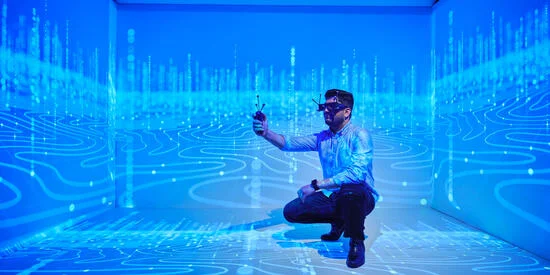
This theme covers the digitalisation of work processes in the construction industry with a focus on digital engineering, namely the integration of BIM with emerging technologies like virtual reality, augmented reality, Internet of Things (IoT) and artificial intelligence.
Research topics are defined with the aim of addressing the issues that affect real-life projects across the industry. Technical solutions as well as managerial aspects are covered. Candidates applying for this stream need an engineering background and preferably some basic skills in working with BIM-related tools and software. Familiarity with data analysis tools and techniques is also encouraged.
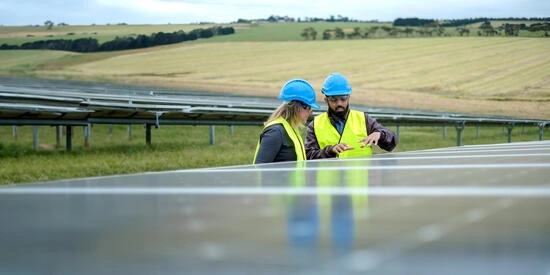
This theme covers zero carbon communities and energy buildings, how best to utilise renewable energy and smart building operations, as well as building performance simulation and monitoring.
This theme takes an interdisciplinary approach to address the issues in construction management, drawing upon the knowledge and expertise created in related disciplines – particularly architecture, urban planning and landscape architecture. Our major areas of research include:
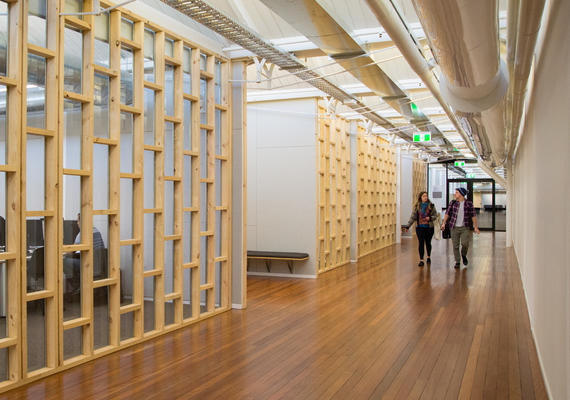
Architecture PhD student Isabella Bower's research incorporates medical and virtual reality technology to explore the impact the built environment has on people’s emotions. Find out how Deakin’s unique facilities made it happen.
Innovation encompasses tangible and intangible aspects, policies, technologies, strategies and ideas that can inform and scaffold positive and/or efficient change for the betterment of humans and our livelihoods. This theme investigates this spectrum for mega-cities, cities, regional centres and/or hamlets, all of which contribute to making our cities, our urbanity and the places we live and recreate in the now, past and future.
Managing change involves understanding the processes and routes by which change can be effected. We can dream up innovations and pathways, but if we don't understand how to nurture and enable these changes sensitively, and with sustainability and resilience in mind, then these innovations won't occur successfully.
Smart Cities involve holistically the human, biogeographical ingredients and the aquatic and terrestrial inhabitants of (existing/proposed) city landscapes, but smart cities also place an imperative upon technologies that can better inform and enable decision-making as well as city making.
While we can engage with landscapes and cities we can't dislocate ourselves from cultural baggage that brings values, perceptions and actions that embody these values. Cultural landscapes are the human textbook tapestries of our histories, of which it is very clear that our colonial values often need to be decolonised. We recognise that Indigenous cultural landscapes of the past and present hold knowledges in need of respect and incorporation into our current planning and design actions, and this respect also applies to new-found cultural enclave landscapes crafted by new settlers.
This transdisciplinary research assumes that problems and issues need to be examined through multiple lenses and not through one single-discipline lens. The Planning – Landscape Team believe that a partnership and family of disciplines and lenses are needed in all research investigations and designing activities – including in the disciplines of urban planning, urban design and landscape architecture.
Get in touch if you have any further questions regarding the School of Architecture and Built Environment.
+61 3 5227 8300